
Wandering Ridge shares practical, down-to-earth guidance on uk hillwalking and countryside rambling for readers across the UK.
- 0123456789
- Angle Bd Abdelmoumen & rue soumaya, Résidence
- [email protected]
Wandering Ridge shares practical, down-to-earth guidance on uk hillwalking and countryside rambling for readers across the UK.
 By Sophie Radcliffe
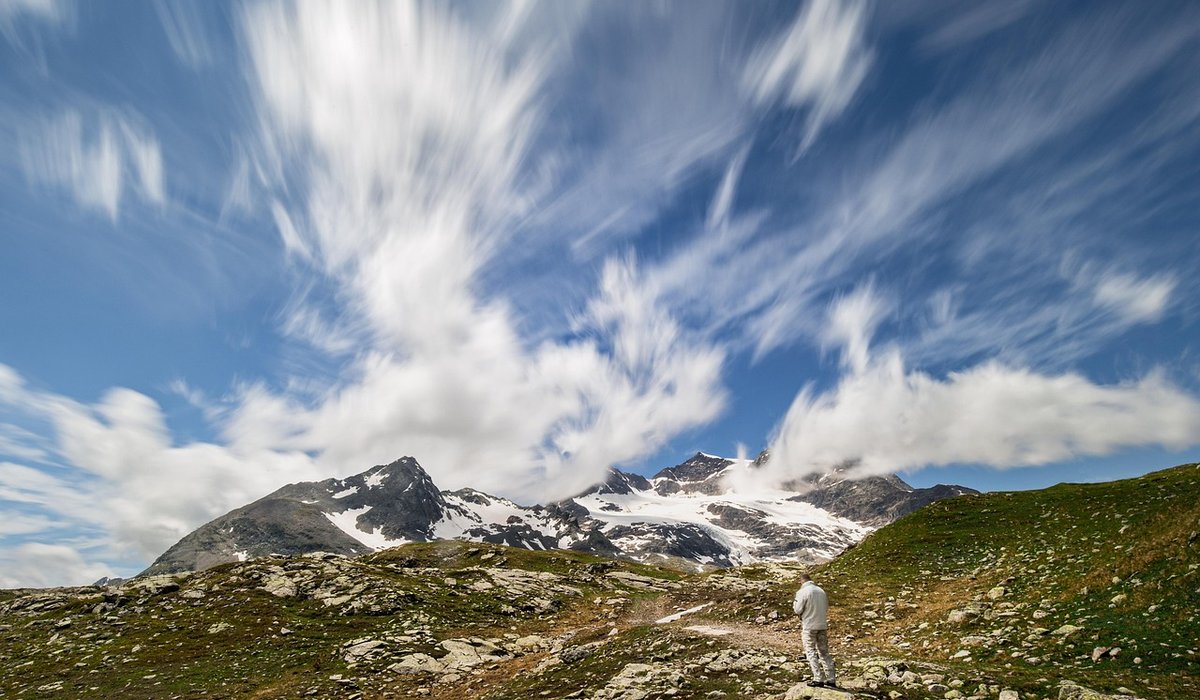
A promising forecast in the valley can turn into horizontal drizzle within an hour, and a ridge that felt calm at the car park can be blasting you with forty-mile-an-hour gusts by lunchtime. British rain is rarely dramatic. It is persistent, wind-driven, and often accompanied by a temperature drop that makes stopping for a sandwich feel like a test of character.
That shapes what you need from a jacket. You are not shopping for monsoon-proof armour so much as a shell that keeps working hour after hour in steady, angled rain while you are moving, sweating and breathing hard. Get that balance right and a wet day on the hills becomes genuinely enjoyable rather than something to endure.
Waterproofing is usually described as a hydrostatic head: the height of a column of water a fabric can hold before it leaks. 10,000mm is a sensible minimum for lowland rambling and summer hills. For exposed ridges, winter walking or a full day of Scottish rain, look for 20,000mm or more.
Breathability is quoted in grams of moisture vapour per square metre over 24 hours. Higher figures are better, but the headline number tells only part of the story; how the fabric performs when you are working hard matters more. In practice:
Be wary of any jacket that claims to be waterproof without a stated rating and taped seams. There is no such thing as a bargain shell that keeps out a Lakeland downpour.
The fabric is only half the jacket. Water finds its way through stitching, so every seam should be taped or welded, not merely sewn. Check the inside and run a thumb along the shoulder and hood seams, where rain hits hardest.
Zips are the other weak point. Look for:
Cuffs should be adjustable, with a hook-and-loop tab that closes snugly over gloves. A hem drawcord you can tighten one-handed is a small thing that makes a real difference in a gust.
On an exposed ridge, your hood is your shelter. A good hillwalking hood has a wired or stiffened peak that holds its shape when the wind hits, three-way adjustment for volume, height and face, and a cut that turns with your head rather than leaving you staring at the inside of the fabric.
Try it on with the hood up, over a hat if you wear one. You should be able to see forwards and to the sides, and the peak should sit clear of your eyes. If the collar can be cinched separately, so much the better: it keeps drips off your neck when the hood is down.
Most walkers get wet from the inside first. Sweat condenses against a cold shell, and no membrane can keep pace if you are wearing too much underneath. The jacket should be roomy enough for a base layer plus a mid-layer fleece or light synthetic top, but not so baggy that it flaps or bunches under pack straps.
Manage heat with pit zips, an open front zip on climbs, and by removing a layer before you start sweating. Keep the shell on when you stop for a break, though; that is when wind chill bites hardest.
Three-season jackets generally weigh between 300g and 500g. Lighter is lovely for summer and fast days, but the very lightest shells sacrifice durability and pocket space. If your walking is mostly day routes in the hills, a mid-weight three-layer jacket is the sensible sweet spot.
Finally, remember that the durable water-repellent finish on the outside is what stops the fabric wetting out and feeling clammy against your skin. Wash your jacket with a technical cleaner, reproof it when water stops beading up and running off, and tumble dry on low if the care label allows. Looked after properly, a good shell will serve you through a decade of wet Saturdays.


We are not gonna make spamming
