
Wandering Ridge shares practical, down-to-earth guidance on uk hillwalking and countryside rambling for readers across the UK.
- 0123456789
- Angle Bd Abdelmoumen & rue soumaya, Résidence
- [email protected]
Wandering Ridge shares practical, down-to-earth guidance on uk hillwalking and countryside rambling for readers across the UK.
 By James Whitcombe
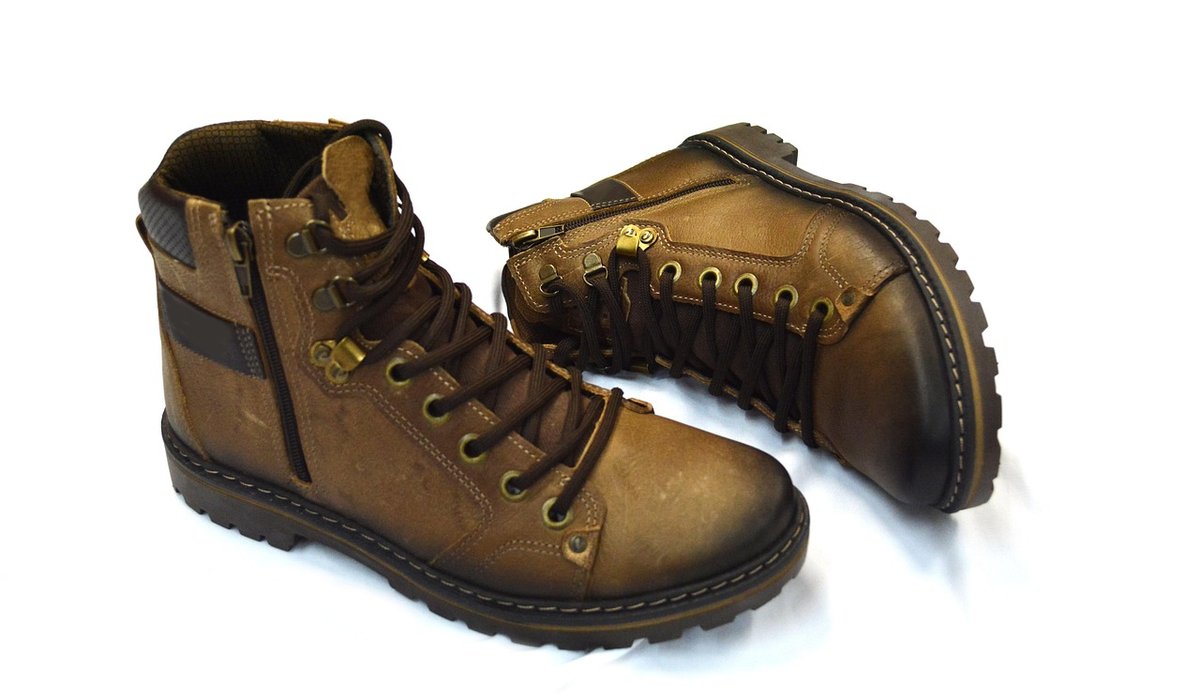
Winter walking in the UK hills and countryside is a joy—crisp air, frosty views, and the quiet of a snow-dusted path. But cold, wet and wind can drain your body heat faster than you expect. Hypothermia is not just a mountaineering problem; it can strike on a low-level ramble, a coastal path, or a leisurely stroll across the moors. The key is to recognise the signs early and act calmly. This guide will help you spot trouble and respond in the right way.
Your body works hard to keep its core temperature around 37°C. When you are exposed to cold, wind and rain, that effort becomes harder. Heat loss happens through convection, conduction, evaporation and radiation. Wet clothing, a biting wind and tiredness all speed up the process. The dangerous moment often comes when you stop moving—perhaps for a snack, a photo, or a map check. Your muscles are no longer generating heat, and the cold seeps in. Add in a lack of food or drink, and your defences drop quickly. Recognising that hypothermia is a possibility on any winter outing is the first step to staying safe.
Hypothermia creeps in gradually. The earliest signs are easy to dismiss as just feeling a bit cold or tired. Watch for:
These signs can appear even if the person says they are fine. Trust your observations. If someone in your group is shivering and acting out of character, treat it as a warning.
As hypothermia deepens, the signs become more alarming. Shivering may stop—this is not a good sign; it means the body has given up trying to generate heat. The person may become drowsy, uncoordinated, and unable to walk without help. Their speech may become incoherent. Skin can turn blue or grey, especially on the lips and fingers. They may resist help or seem unaware of the cold. At this stage, immediate action is essential. Do not wait for them to ask for help; they may not be able to.
If you spot hypothermia, act quickly but gently. The aim is to stop further heat loss and warm the person gradually.
Keep the person still and monitor their breathing. If they become unconscious, place them in the recovery position and be prepared to start CPR if they stop breathing.
Call for help if symptoms worsen, if the person becomes drowsy, confused, or loses consciousness, or if you cannot warm them effectively. In the UK, dial 999 and ask for mountain rescue or ambulance, depending on your location. Give clear details: your location, grid reference if possible, the person's condition, and the weather. Keep them sheltered and insulated until help arrives. Do not leave them alone.
Prevention is always better than cure. Check the forecast and plan for the worst. Wear layers—base layer, insulating mid-layer, and waterproof outer. Carry spare gloves, a hat, and a warm flask. Eat and drink regularly; hunger and dehydration make you more vulnerable. Keep moving, but pace yourself. If you stop, put on an extra layer before you cool down. Learn to recognise the early signs in yourself and others. And remember: it is never a failure to turn back. The hills will still be there another day.


We are not gonna make spamming
