
Wandering Ridge shares practical, down-to-earth guidance on uk hillwalking and countryside rambling for readers across the UK.
- 0123456789
- Angle Bd Abdelmoumen & rue soumaya, Résidence
- [email protected]
Wandering Ridge shares practical, down-to-earth guidance on uk hillwalking and countryside rambling for readers across the UK.
 By James Whitcombe
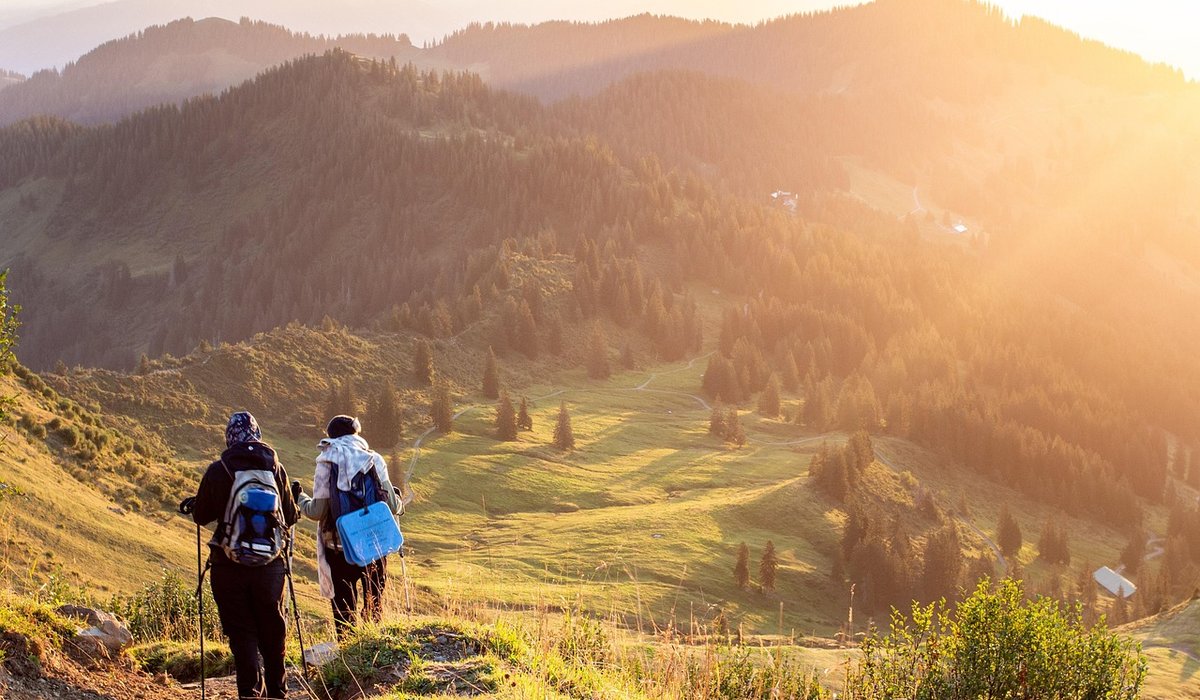
There is a particular kind of magic to waking on a hillside with mist sitting in the valley below you and nobody else for miles. But that magic depends, far more than most people expect, on what you carried up there. A first wild camp is not the moment to discover that your sleeping bag is a summer picnic blanket or that your tent turns into a kite in a gust. Get the core three items right — shelter, sleep system and stove — and everything else falls into place.
Every gram you add to your pack is a gram you lift with every step, and on a steep Lakeland or Snowdonia path that adds up quickly. For a single night out, aim for a total pack weight of around 10 to 12 kilograms including food and water. That is entirely achievable without spending a fortune, provided you resist the urge to pack "just in case" items.
Lay everything out before you leave and ask yourself three questions about each item: will I definitely use it, does it keep me warm or dry, and could something lighter do the same job? A surprising amount of first-timer weight comes from spare clothes that never leave the pack.
UK hills are rarely windless and almost never dry, so your tent needs to cope with both. A three-season, two-skin design is the sensible starting point. Look for:
Pitch it in the garden at least once. Familiarity at home becomes confidence on a dark, windy summit.
Cold is the thing that ruins first wild camps. Your sleeping bag's comfort rating is the number that matters, not the extreme rating, and it is worth adding a margin of several degrees for a tired, hungry body in damp air. A bag rated to around -5°C comfort will cover most of the year in the UK hills, with a bit of care in deep winter.
Down is warmer for its weight and packs smaller, but it loses insulation when wet; synthetic fill is heavier and bulkier but forgives a soaking. Either way, keep it inside a dry bag.
Beneath the bag, a mat matters as much as the bag itself. The ground will pull heat out of you relentlessly. An inflatable mat with an R-value of 3 to 4 is a good three-season choice, and closed-cell foam underneath adds both warmth and puncture insurance. Before bed, eat something, do a few star jumps, and put on a dry base layer. Never sleep in the clothes you walked in.
A small gas stove and a sealed canister is the simplest reliable setup for a beginner. It lights instantly, simmers predictably and needs no priming. Take a windshield — folding foil ones cost almost nothing and dramatically improve efficiency in a breeze — and always cook outside the tent or in a well-ventilated porch, never fully enclosed.
One 100g to 230g canister is plenty for a weekend of boiling water. Your menu should really just be boiled water plus something: dehydrated meals, couscous, noodles, instant porridge and tea. For water, most upland streams are drinkable but not guaranteed; a filter or purification tablets remove the doubt for very little weight. Carry at least a litre with you and top up as you go.
These items are light but transform a night out:
Choose a pitch that is flat, out of the wind and away from watercourses, and arrive with enough daylight to sort yourself out. Check the mountain weather forecast, tell someone your exact route and expected return time, and know how to retreat safely if the weather turns.
In England and Wales, wild camping is not generally a legal right outside Dartmoor, so seek the landowner's permission where you can and camp high, late and discreetly, leaving early. In Scotland, the right to roam allows responsible wild camping, but the same principles apply: no open fires, no litter, no trace. Take only photographs, leave only footprints, and you will be welcome back on that hillside for years to come.


We are not gonna make spamming
