
Wandering Ridge shares practical, down-to-earth guidance on uk hillwalking and countryside rambling for readers across the UK.
- 0123456789
- Angle Bd Abdelmoumen & rue soumaya, Résidence
- [email protected]
Wandering Ridge shares practical, down-to-earth guidance on uk hillwalking and countryside rambling for readers across the UK.
 By James Whitcombe
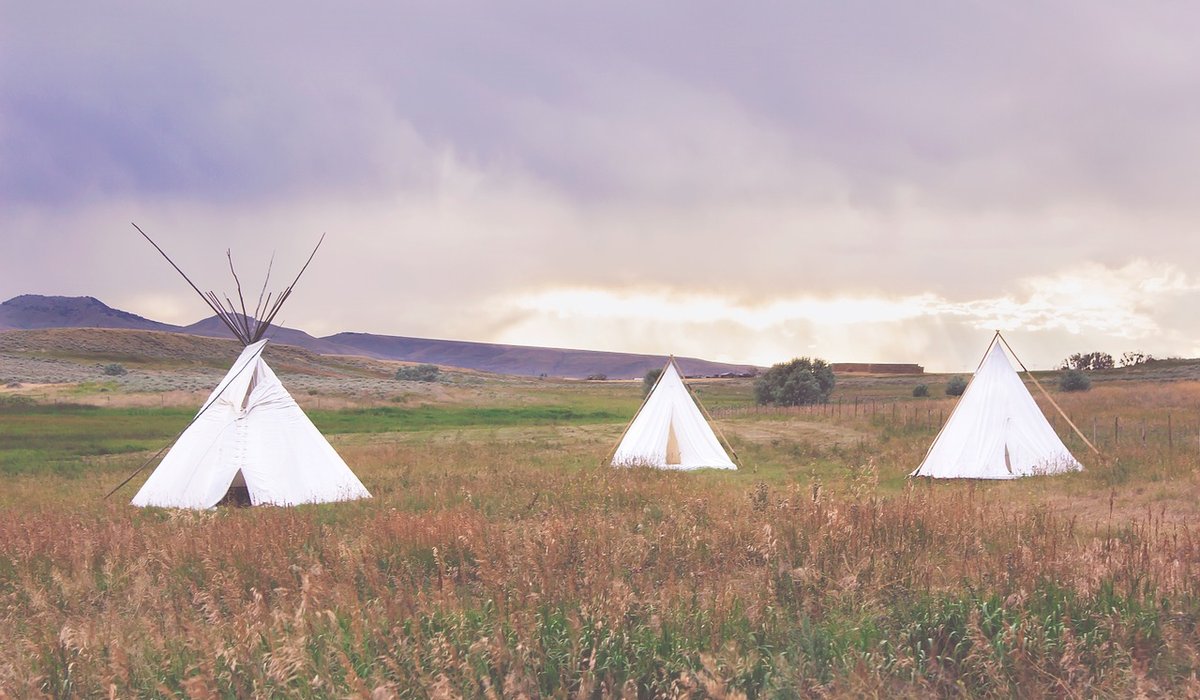
Upland Britain looks wonderfully rugged, but it is far more fragile than it appears. Heather, cotton grass and bilberry grow slowly in thin, acidic, waterlogged soils, and the growing season on a high moor or a Lakeland fell can be little more than a few short months. What takes a season to bruise can take a decade or more to recover. That is why the old saying — take only photographs, leave only footprints — is more than a tidy slogan. It is practical advice for anyone who wants these places to look and feel wild for the next generation of walkers.
Camping wild in the hills is a privilege in most of the UK, and in some areas it is a legally permitted one. Wherever you pitch, the aim is simple: when you walk away, nobody should be able to tell you were ever there. That comes down to three habits — carrying everything out, dealing with toilet waste properly, and resisting the temptation to light a fire.
Most people would never drop a plastic bottle on a mountainside, yet plenty of well-meaning campers leave things behind that they believe will simply rot away. In cold, acid upland soils, very little does. Orange peel takes years to break down and can be carried off by the wind long before that. Tea bags often contain plastic fibres. Banana skins look untidy for weeks and can be a danger to grazing animals and ground-nesting birds.
This is the part most people find awkward, and it is also the part that matters most for public health, water quality and the pleasure of the next visitor. In popular areas — parts of the Lake District, Snowdonia and the Cairngorms — the ground simply cannot cope with the number of people passing through, and carrying waste out in a sealed bag is the responsible choice. Elsewhere, burying it properly is acceptable.
Do the same with washing-up water and toothpaste: strain out food scraps, then scatter the grey water widely, well away from any burn or tarn.
There is something deeply appealing about a small fire at a wild camp, but in the British uplands it is almost always the wrong call. Peat, which underlies huge swathes of our moorland, can smoulder underground for days after the flames appear to have died, and a single stray spark in a dry spring can set a hillside alight. Fire scars on blanket bog and heather last for decades, and the blackened rings of stones that people leave behind are ugly, permanent and impossible to miss.
Use a stove instead. They are lighter, faster, unaffected by wind or rain, and they leave nothing behind but a little steam. If you genuinely must have a fire — and in many upland areas it is neither permitted nor wise — restrict it to established fire rings in lowland campsites well away from trees and peat. Never cut standing wood, never ring a fire with stones prised from walls or cairns, and never leave a fire until the ashes are cold to the touch.
Ground-nesting birds such as curlew, golden plover, skylark and ring ouzel raise their young on exactly the kind of open ground that makes a tempting pitch. Between March and July, keep your tent away from obvious nesting habitat, avoid skylines and ridgelines, and keep dogs close and under control. Keep groups small, voices low and lights dim after dark. Pitch on durable ground, move on after one or two nights, and never dig drainage channels or build cairns for decoration.
Leaving no trace is not about being fussy or puritanical. It is about respect — for the farmers who graze these hills, for the rangers and volunteers who repair the paths, and for every walker who comes after you expecting to find something wild. Carry a bag for rubbish, pack a trowel, leave the matches at home and take a last long look at your pitch before you shoulder your pack. If it looks untouched, you have done it right.


We are not gonna make spamming
